
Why Armenian Is Nowhere Near As Hard As You Think

Author
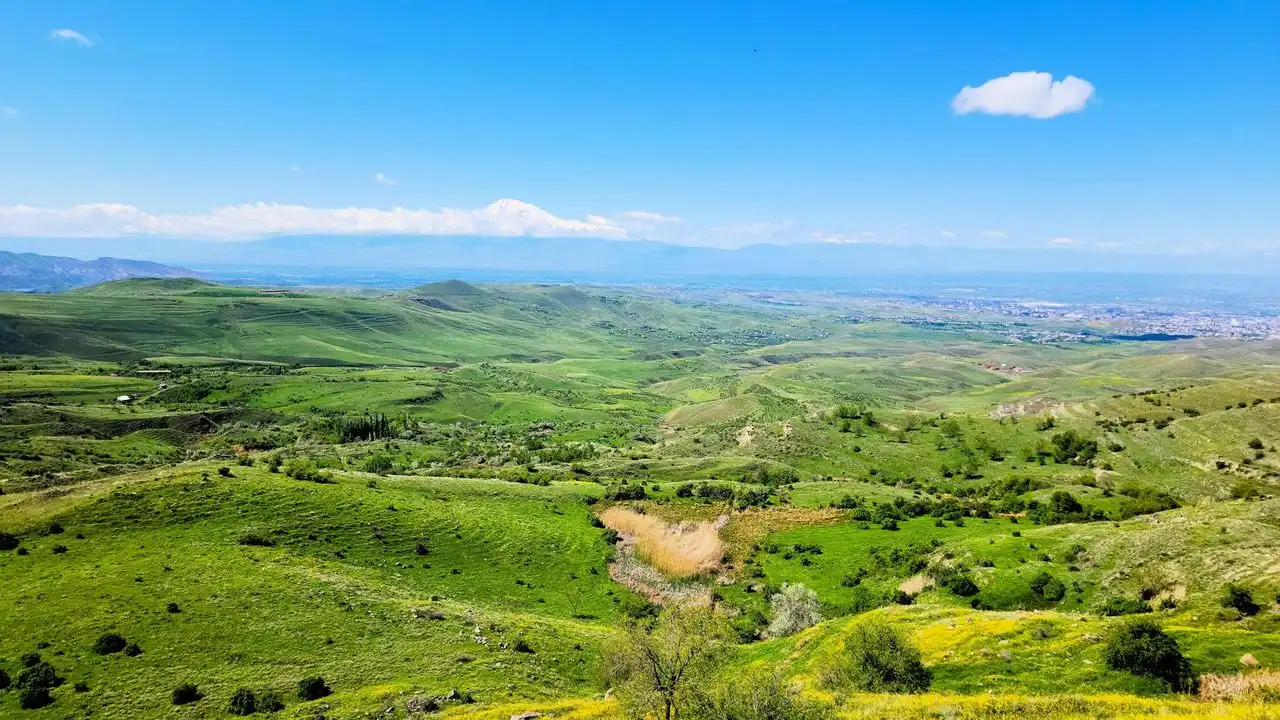
If you’re an English speaker looking to learn Armenian, you might think it’s hard.
When you first look at Armenian writing, the alphabet is completely unique and the sounds are different. Because of this, many people ask: is Armenian hard to learn?
The short answer is that Armenian takes time, but it’s not as hard as it looks.
Armenian is actually an Indo-European language.
Believe it or not, that’s the same language family as English!
While it has its own unique branch, there’s a lot of logic to how the language works.
In this guide, I’ll break down what makes Armenian easy, what makes it a bit tricky, and what you need to know as a beginner.
Table of Contents:
The Armenian alphabet is actually your friend
The very first thing English speakers notice is the Armenian alphabet.
It was invented in 405 AD by a man named Mesrop Mashtots. It has 39 letters, which is more than the 26 letters we use in English.
You might think learning a new alphabet makes the language harder, but it actually makes it easier!
Why? Because the Armenian alphabet is phonetic. This means that once you learn the letters, you can read almost any word perfectly. Words are spelled exactly how they sound. You don’t have to worry about silent letters or confusing spelling rules like we have in English.
For example, the word for “cat” is spelled exactly as it sounds:
Կատու
Once you spend a week or two memorizing the letters, reading becomes a breeze.
Armenian grammar has no gender
If you’ve ever studied Spanish or French, you know how frustrating grammatical gender can be. You have to remember if a table is a “boy” or a “girl.”
Well, I have great news: Armenian doesn’t use grammatical gender!
There’s no “masculine” or “feminine” for objects. Even better, the pronoun for “he,” “she,” and “it” is exactly the same word.
Նա
Armenian grammar works a lot like a set of building blocks. It’s what we call an agglutinative language. That’s just a fancy way of saying that instead of using lots of separate little words (like “in”, “to”, “on”), Armenian just adds short endings (suffixes) to the main word.
If you know the word for “house” (tun), you just add an ending to say “in the house” (tnum).
Pronunciation can be a little tricky
If there’s one part of Armenian that English speakers find hard, it’s the pronunciation.
Armenian has a few sounds that don’t exist in English. The hardest sounds are usually the ones made in the back of the throat, and the rolled “r” sound.
Here’s a quick look at three of the trickiest sounds you’ll need to practice:
| Letter | Sound Description | Armenian Example |
|---|---|---|
| Խ / խ | A harsh ‘h’ sound made deep in the throat (like the ‘ch’ in Bach). | Խնձոր (khndzor - apple) |
| Ղ / ղ | A gargling sound, similar to the French ‘r’. | Ղեկ (ghek - steering wheel) |
| Ռ / ռ | A strong, hard rolled ‘r’ (like in Spanish). | Ռադիո (radio - radio) |
Let’s look at a very common word you’ll use all the time. Notice the flipped “r” sound in the middle:
Բարև
Your mouth muscles just need time to get used to them. Native speakers will still understand you even if your pronunciation isn’t perfect at first.
Eastern vs. Western Armenian
Before you start buying books or downloading apps, you need to know that there are two main dialects of Armenian: Eastern Armenian and Western Armenian.
Eastern Armenian is spoken in the Republic of Armenia and in Iran. Western Armenian is spoken mostly by the Armenian diaspora (communities living outside of Armenia, like in the US, Lebanon, or France).
Are they completely different? No. They’re very similar, and speakers of both can usually understand each other. However, the pronunciation of certain letters changes.
For example, the letter “B” (Բ) in Eastern Armenian is pronounced like a “P” in Western Armenian.
Բարև
Բարև
Notice how it’s spelled exactly the same way, but it’s spoken differently depending on the region!
If you want to travel to Armenia, I highly recommend learning Eastern Armenian. If you have family members who immigrated from the Middle East to America, they likely speak Western Armenian.
Tips for English speakers starting out
So, is Armenian hard? It’s definitely a challenge, but it’s 100% doable.
If you’re ready to start learning, here’s what I recommend you do first:
- Learn the alphabet immediately. Don’t rely on English letters (transliteration) to read Armenian words. It’ll only hold you back later.
- Listen to native speakers. Because some sounds are new to your ears, you need to hear them spoken naturally. Watch Armenian YouTube videos or listen to Armenian music.
- Pick one dialect. Decide whether Eastern or Western Armenian makes more sense for your goals, and stick to it so you don’t get confused by the different pronunciations.
